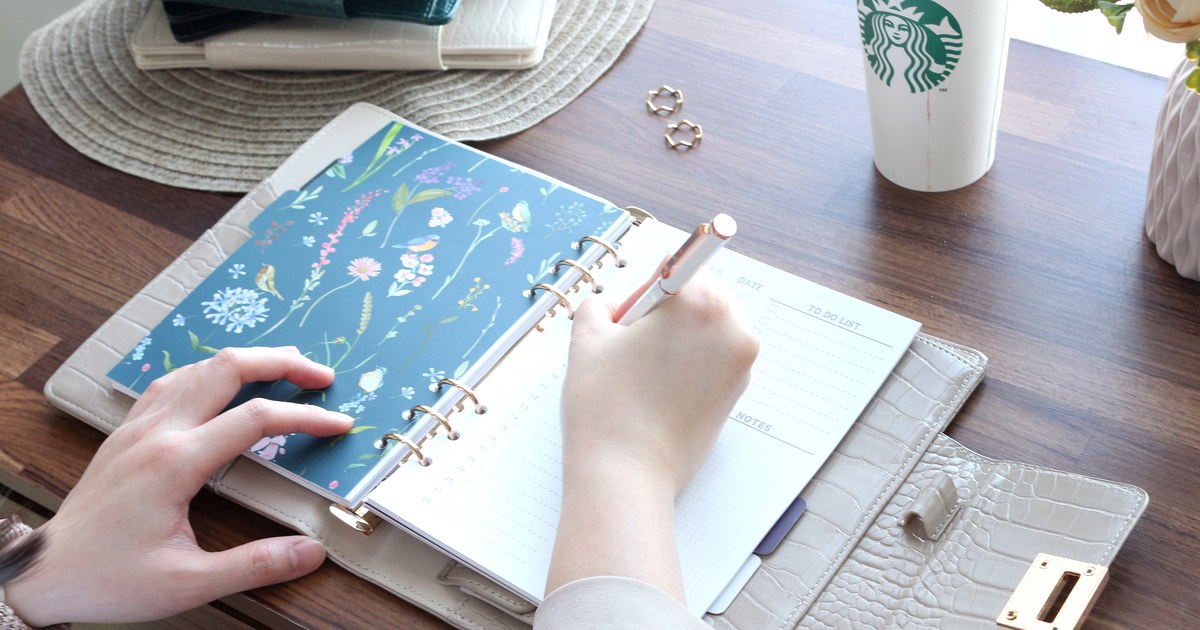
How to Plan a Busy Life: A Weekly System

- A busy life feels scattered when commitments live in too many places.
- Use one weekly system: capture, choose three priorities, time-block, prepare, review.
- Keep digital tools for shared coordination; use paper for direction and decisions.
- A 15-minute weekly reset helps you return without starting from zero.
- Choose an EGOSUNNY role by habit and setting — confirm product details on the market page.
The simplest way to plan a busy life is to use one weekly system for everything competing for your attention. Capture your commitments, choose three priorities, place important work into realistic time blocks, prepare what each task needs, and review the week before it ends. Keep shared appointments and reminders digital, but use paper to see the whole week, make decisions and reset without carrying every unfinished thought in your head.
This guide gives you a practical five-step weekly planning system for work, home, goals and personal time. It is deliberately simple: the purpose is not to control every hour, but to make the next important choice easier.

Why a busy life starts to feel scattered
A busy life is not difficult only because there is too much to do. It becomes difficult when commitments live in too many places: meetings in a calendar, errands in messages, ideas on loose notes and responsibilities held only in memory. Each item may be manageable, but the constant switching creates uncertainty. You spend energy remembering what exists before you can decide what matters.
A weekly system creates one moment when everything becomes visible. It lets you compare work with home, urgent requests with meaningful goals, and other people’s deadlines with your own capacity. That wider view is what turns a list of tasks into a plan.
The simple five-step weekly planning system

Step 1: Capture everything
Begin with a complete sweep. Check your calendar, messages, notes and unfinished tasks. Write every commitment in one temporary list without organizing it yet. Include personal items as well as work: an appointment, a call, a household task, a goal you have postponed and anything that keeps returning to mind.
Capturing is not the same as promising to complete everything. It simply removes the pressure of remembering. Once an item is visible, you can choose what to do with it.
Step 2: Choose three weekly priorities
Ask: if only three outcomes were completed by the end of this week, which would make the week meaningfully better? Choose outcomes, not vague intentions. “Prepare the client proposal” is clearer than “work on business.” “Book the health appointment” is clearer than “take better care of myself.”
Three priorities create focus without pretending that everyday responsibilities disappear. Smaller tasks still belong in the plan, but the three priorities receive attention first.
Step 3: Time-block what matters
Place fixed appointments into the week, then reserve realistic blocks for the three priorities. Match the block to the kind of attention the work needs. A focused project may need a quiet morning; an errand may fit between appointments; a personal review may belong to Sunday evening.
Leave visible space between blocks. A plan with no margin assumes that travel, interruptions and fatigue will never happen. A plan with breathing room can survive a real week.
Step 4: Prepare the next action
Make each priority easy to begin. Note the document you need, the person you need to call, or the first question you must answer. Preparation reduces the distance between intention and action.
Step 5: Review and reset
Before the week ends, look at what was completed, what still matters and what can be released. Move only meaningful unfinished work forward. Archive completed pages or notes so the current plan stays light. A refillable system makes this especially natural because pages can change as responsibilities change. Read why a refillable planner can outlast a fixed notebook.
How to plan work and life in one place
Separate areas without creating separate systems
You do not need a different planner for every role. Use sections or dividers for the areas that truly need separation, such as Work, Home, Goals, Finances and Ideas. Keep the current week at the front so it remains the bridge between them. The sections store context; the weekly page holds decisions.
Leave space for the unexpected
Plan around roughly what you can carry, not everything you could imagine doing. Keep some open time for a delayed meeting, a family need, extra rest or an idea worth following. Flexibility is part of the system, not evidence that the system failed.
A 15-minute weekly reset
Choose one repeatable moment: Sunday morning, Friday afternoon or the first quiet point in your working week. Make a drink, open the planner and use this short sequence:
- Review the week that is ending.
- Capture new commitments and unfinished thoughts.
- Choose three outcomes for the next week.
- Place important work into the calendar.
- Prepare Monday’s first action.
If you miss the ritual, restart at the next available moment. A useful planning system should help you return; it should never make an imperfect week feel like a personal failure.
Paper planner or digital calendar?
Use both, but give each one a clear job. Digital tools are excellent for shared appointments, recurring events, alerts and information that other people need to see. Paper is excellent for thinking: comparing priorities, seeing the whole week, developing an idea and noticing when the plan is too full.
A practical rule is simple: digital for coordination, paper for direction. The calendar tells you where you must be; the weekly page helps you decide how you want to move through the week.
Which EGOSUNNY fits your weekly rhythm?
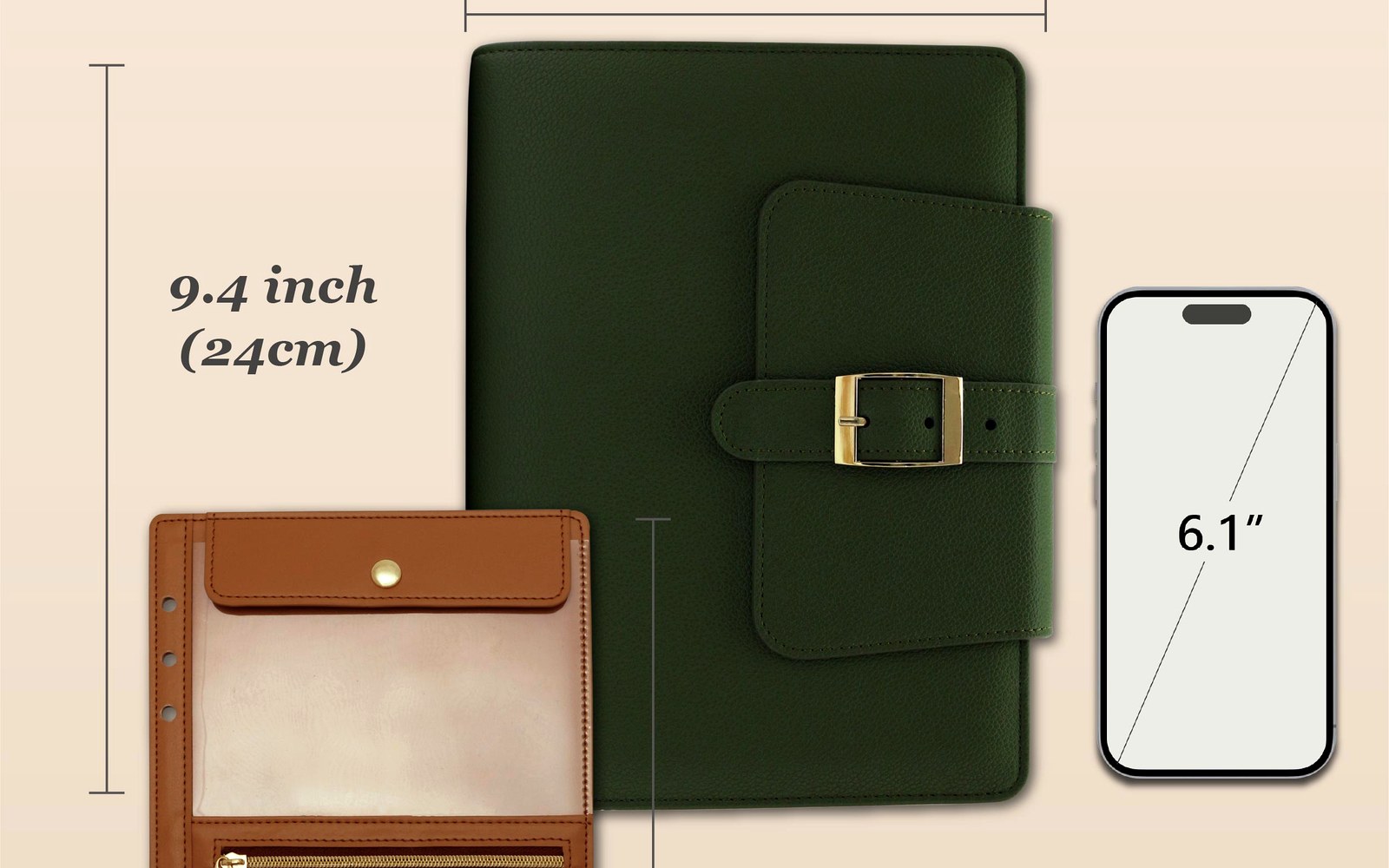
Choose by planning habit and daily setting rather than by a specification list. The Belt suits women who like clear categories and longer-term tracking. The Terence supports a composed morning-to-meeting routine. The Croco brings a confident presence to professional planning and meaningful milestones. If your week happens in cafés, commutes or frequent transitions, The Luna and L’Éclair bring planning into motion.
For a scenario-by-scenario comparison, see which EGOSUNNY planner is right for you. If you are new to the brand, begin with What Is EGOSUNNY?
Where to find EGOSUNNY
Confirm the latest details on the official product page for your market before you buy — sizes, materials, page counts, accessories and colours can differ by version and region.
Plan the week you can live, then give it room to change.